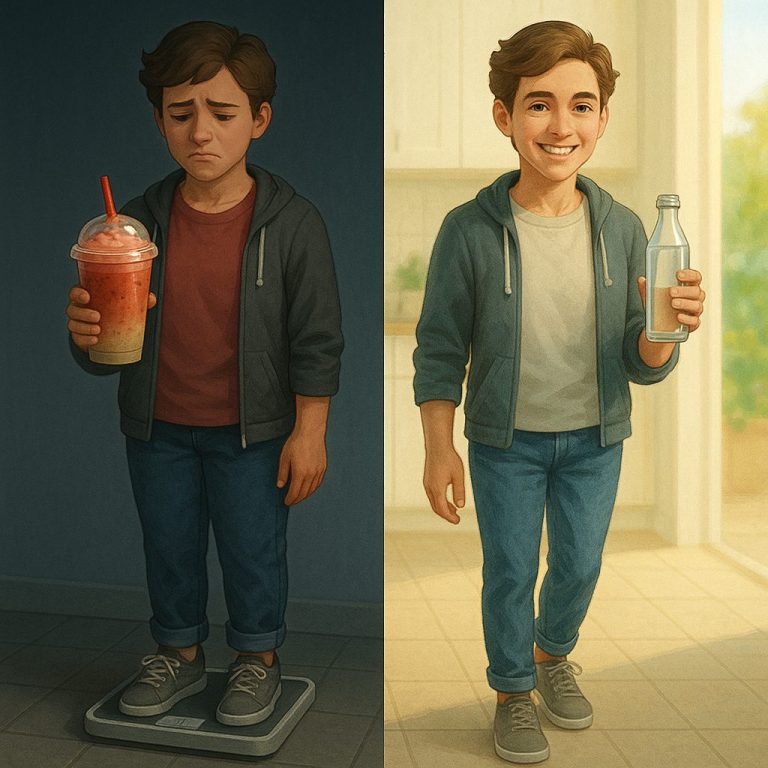
I’m about to tell you something that might make your wellness-obsessed friend’s eye twitch: more than half of people who’ve successfully kept significant weight off drink diet beverages regularly.
You’ve heard the warnings: artificial sweeteners will make you crave sugar, wreck your metabolism, or prove you’re not “healthy.” The truth from people who actually keep weight off is less moralizing and more practical.
Well, the largest database of successful weight loss maintainers in the world just delivered some news. And it’s not what the clean-eating crowd wants you to hear.
If you’re trying to lose weight or keep it off and you want simple, usable strategies—this is for you. If you wonder whether diet drinks can help you avoid extra calories without wrecking progress, read on.
The Truth About Diet Beverages and Weight Loss
The National Weight Control Registry studied 434 people who’ve done something most consider nearly impossible: maintained significant weight loss long-term. These folks have been through it and won.
Here’s what they found:
53% of people who’ve lost at least 30 pounds and kept it off for over a year regularly drink low-calorie sweetened beverages. These aren’t people following some crazy diet. They’re real humans who figured out how to make weight maintenance work in their actual lives.
Only 10% of these successful maintainers drink regular sugary drinks. Think about that for a second.
The Psychology Behind Successful Beverage Choices
They drink diet beverages for surprisingly practical reasons. The top reasons weren’t about being perfect or following rules:
- Taste (54%)
- Satisfying thirst (40%)
- Fitting into their routine (27%)
- Calorie reduction (22%) — more of a bonus than the main event
Think of it like choosing a reliable car. You don’t pick it because it’s exciting. You pick it because it gets you where you need to go without problems.
78% of diet beverage drinkers believed these drinks helped them manage their overall calorie intake. That’s not wishful thinking. That’s real experience from people who’ve maintained their results for years.
Here’s what really stands out: 42% considered beverage changes very important for weight loss, and 40% felt the same about maintenance. They treated their drink choices as part of their strategy, not an afterthought.
Can Diet Drinks Help You Lose Weight and Keep It Off?
If you’re trying to lose weight or keep it off, this research suggests something important: you don’t need to eliminate every artificially sweetened drink from your life. Completely restricting them might actually make your journey harder.
These successful maintainers found a middle ground that works in real life. They’re not drinking diet soda all day, but they’re not living without options either.
The key insight? Sustainability beats purity every time. If having a diet drink with dinner helps you skip the 150-calorie regular soda without feeling deprived, that’s a win. If it keeps you from reaching for something higher in calories later, even better.
Think of drinks as recurring subscriptions in your calorie budget. Cancel or swap a few and you free up space for the food you want.
The Science Behind Diet Beverages and Weight Control
When you’re managing your weight long-term, you need strategies that work in messy, real life.
Calorie displacement is real. If a zero-calorie drink satisfies your craving for something sweet or fizzy, you’re not getting those calories somewhere else. It’s basic math that happens automatically in the background.
Habit substitution works better than elimination. Trying to go from regular soda to nothing often fails because you’re fighting both the physical habit and the comfort it gives you. Diet beverages can serve as a bridge—you keep the ritual but remove the calories.
Flexibility reduces rebellion. Tell yourself you can never have something sweet to drink, and your brain starts plotting ways to get it. Having acceptable alternatives prevents the backlash that leads to binges.
It’s like having a safety net. You might not use it often, but knowing it’s there makes the whole thing less scary.
Separating Artificial Sweetener Facts from Fiction
“Diet drinks make you crave more sugar!” If this were always true, we wouldn’t see successful weight maintainers using them as a strategy. The people in this study maintained their losses for over a year. If diet drinks were sabotaging their efforts, they’d know by now.
“Only water is acceptable!” Water is great, and these successful maintainers increased their water intake too. But the idea that you must only drink water to maintain weight loss? The people actually doing it successfully don’t support that.
“Artificial sweeteners are toxic!” The amounts in typical beverage consumption have been studied extensively and deemed safe by regulatory agencies worldwide. People making scary claims often ignore the dosage question entirely.
The reality is more complex than the black-and-white thinking that dominates wellness social media.
What You Can Do Starting This Week
1. Track one day of drinks and calories. Write down everything you drink. Don’t change anything yet—just observe. You might be surprised by your patterns.
2. Find your highest-calorie beverages. Regular sodas, fancy coffee drinks, alcohol, fruit juices. These add up faster than most people realize.
3. Test one strategic substitution. Replace one high-calorie drink per day with a lower-calorie alternative for two weeks. This might be water, or it could be a diet version of something you enjoy.
4. Keep the ritual. Use the same glass or can, same timing. The habit structure stays while the calories disappear.
5. Start meals with water. Use flavored options when you want variety.
6. Check compensation. If you swap but then add dessert, rethink the plan.
7. Pay attention to your satisfaction levels. Does the substitution work for you? Do you feel deprived? Do you end up eating more later? If cravings spike, stop and switch to sparkling water with citrus or iced herbal tea.
8. Keep it simple. The successful maintainers weren’t following complicated protocols. They made practical swaps that fit their lives.
My Honest Take
I’ll be straight with you—this data both surprised and vindicated me. In my practice, I’ve watched patients torture themselves trying to eliminate every “imperfect” food and drink. They burn out and regain weight.
The people who succeed long-term find ways to make their approach livable. They’re not perfect. They’re strategic.
I’m not suggesting you start drinking diet soda all day. But maybe having a Diet Coke with your dinner isn’t the sin you’ve been told it is. Especially if it helps you maintain a caloric deficit without feeling like you’re in food prison.
I see patients who succeed by being strategic, not perfect. If a low-calorie drink helps you avoid a higher-calorie choice and keeps you consistent with good habits, I support it. Use it as a tool, not an excuse.
Let’s Look at the Limitations
This study looked at people who’ve already succeeded, so we can’t say for certain that diet beverages caused their success. Maybe successful maintainers are just different in ways that make them more likely to use these beverages strategically.
This was also a survey—it shows what people do, not proof of cause. The survey didn’t track exact sweeteners or amounts. We can see associations, but we can’t prove cause and effect.
That said, practical choices people can live with often beat theoretical perfection. The strongest takeaway is that diet beverage consumption doesn’t seem to prevent successful weight maintenance—and might even support it.
Where to Go From Here
Start small. Pick one high-calorie beverage you drink regularly and experiment with a lower-calorie alternative for two weeks. Pay attention to how it affects your satisfaction, your cravings, and your overall calorie intake.
Reassess after two weeks. Note weight, cravings, and mood. If it reduces calories and doesn’t increase cravings, keep it. If it doesn’t work, try another practical swap.
Remember: the goal isn’t perfection. It’s sustainability. The most successful approach is the one you can stick with long enough to see results.
The people in this study aren’t superhuman. They’re individuals who found practical ways to maintain their weight loss in a world full of high-calorie temptations. They made compromises that worked for them, not for their Instagram feed.
That’s not settling for less. That’s setting yourself up to win.
Weight control is about steady, repeatable choices. If swapping a sugary drink for a zero-calorie one helps you stay 30 pounds lighter next year, that’s not cheating. It’s pragmatic. Small, steady changes win over time.
Want more evidence-based insights that actually work in real life?
Join my newsletter where I translate the latest weight loss research into strategies you can actually use.
No judgment, no perfection required—just practical approaches backed by people who’ve succeeded long-term.
Short, no-hype tips you can try this week, because your weight loss journey deserves better than internet myths.